
Categories
thewesley

Exploring the Concept of Freedom in Modern Society

Exploring the Concept of Freedom in Modern Society

Exploring the Concept of Freedom in Modern Society

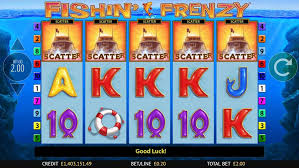
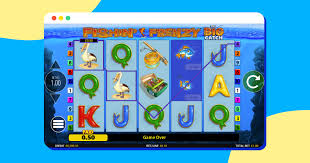
Freedom is a fundamental concept that underpins many aspects of human existence. It is often viewed as one of the most cherished values in modern society, allowing individuals to express themselves, make choices, and pursue their interests. In this article, we will delve into the multifaceted nature of freedom, examining its significance, the challenges it faces, and the different ways it manifests in our daily lives. Furthermore, we will touch upon various aspects of freedom, including political, social, and economic dimensions. Additionally, for those seeking entertainment and leisure in the realm of free online gaming, free Fishin Frenzy not on GamStop offers a fascinating escape into a world of fun and excitement.

The Meaning of Freedom

The concept of freedom encompasses a wide range of perspectives, from personal autonomy to social liberties. At its core, freedom can be defined as the ability of individuals to act according to their own will without undue restraint. This is often categorized into two main types: negative freedom and positive freedom.

Negative freedom refers to the absence of interference from others, particularly from the government or authoritative bodies. This is the kind of freedom many people think of when they consider civil liberties, such as freedom of speech, freedom of religion, and freedom of assembly. Positive freedom, on the other hand, is about enabling individuals to fulfill their potential. It emphasizes the importance of having the resources, opportunities, and capabilities to make meaningful choices in life.

Political Freedom

Political freedom is often considered one of the cornerstones of a democratic society. It includes the right to participate in the political process, express opinions, and advocate for change without fear of retribution. Democracies around the world strive to uphold these principles, providing citizens with the opportunity to vote, campaign, and hold their leaders accountable.

Exploring the Concept of Freedom in Modern Society

However, political freedom is under constant threat in many parts of the world. Authoritarian regimes often suppress dissidence, limiting the voices of opposition and curbing electoral freedoms. The rise of misinformation and manipulation through social media also presents new challenges for political discourse, making it more difficult for citizens to make informed choices.

Social Freedom

Social freedom relates to the ability of individuals to associate with others and live according to their values and beliefs. This aspect of freedom highlights the importance of diversity and tolerance in society. Social freedom allows individuals to form communities based on shared interests, whether they be cultural, religious, or ideological.

Nonetheless, social freedom can be contentious. Debates surrounding issues such as marriage equality, reproductive rights, and freedom of expression continue to spark controversy. Balancing the rights of individuals to live freely with the need to respect the rights of others is a delicate challenge that societies must navigate.

Economic Freedom

Economic freedom is another critical dimension of overall liberty. It refers to the extent to which individuals can control their own economic resources, pursue entrepreneurial endeavors, and make choices about their financial futures. Societies that prioritize economic freedom often see higher levels of innovation and prosperity.

However, economic freedom is not distributed equally. Socioeconomic disparities can create significant barriers to opportunities for individuals from marginalized communities. Access to education, healthcare, and employment greatly influences one’s ability to exercise economic freedom, leading to cycles of inequality that are difficult to break.

Challenges to Freedom in the Digital Age
Exploring the Concept of Freedom in Modern Society

In recent years, the advent of technology has introduced new dimensions to the discussion of freedom. The Internet has been heralded as a tool for democratization, allowing for greater access to information and the ability to engage in global conversations. However, it has also raised issues regarding privacy, surveillance, and the control of information.

The balance between securing individual liberties and protecting national interests has become increasingly complex. Digital surveillance from governments and corporations poses real threats to personal freedom, leading to calls for more robust data protection laws and regulations.

The Importance of Protecting Freedom

Protecting freedom is not solely the responsibility of governments; it requires a collective effort from individuals, communities, and civil society. Engaging in informed discussions, advocating for rights, and participating in democratic processes are crucial ways through which citizens can protect their freedoms.

Education plays a fundamental role in fostering an understanding of the importance of freedom. When people are aware of their rights and the mechanisms by which they can exercise them, they are better equipped to stand against injustices and advocate for change. Promoting a culture of freedom through inclusive education is essential to ensuring that future generations appreciate and uphold these values.

Conclusion

In conclusion, freedom is a complex and cherished value that shapes our lives in myriad ways. Whether through political, social, or economic lenses, it is crucial to recognize the threats to freedom and actively work towards creating a society that values and protects it. Each person’s contribution to preserving freedom, no matter how small, can have a significant impact in creating a more just and equitable world. The journey towards a society where freedom is not a privilege but a universal right requires dedication, awareness, and collective action.

Categories
thewesley

Exploring the Exciting World of Slot Machines

Exploring the Exciting World of Slot Machines

Slot machines have long captivated the hearts and minds of players around the world. From their inception in the late 19th century to the modern digital versions available today, these games have evolved significantly. Many players enjoy the thrill and chance of winning that slot machines provide, and one popular example is the Fishin’ Frenzy slot, known for its engaging gameplay and vibrant graphics.

The History of Slot Machines

The history of slot machines dates back to 1887, when Charles Fey created the first mechanical slot machine in San Francisco. Known as the Liberty Bell, this machine featured three spinning reels and five symbols: horseshoes, diamonds, spades, hearts, and the Liberty Bell. Players would insert a nickel, pull the lever, and hope for a combination that yielded a payout.

The appeal of slot machines quickly took off, leading to the establishment of numerous manufacturers and the introduction of various themes and gameplay mechanics. By the 1960s and 70s, casino-goers enjoyed electromechanical slots, which allowed for more intricate designs and enhanced player experiences.

The Shift to Video Slots

Exploring the Exciting World of Slot Machines

The transition to video slots in the 1970s marked a pivotal moment in the evolution of these games. These machines used computer technology to simulate the mechanics of traditional slots while offering greater flexibility in design. Video slots often include exciting bonuses, animations, and multiple paylines, making gameplay more dynamic and engaging.

With the rise of the internet in the 1990s, online casinos emerged, leading to the birth of digital slot machines. Players could now spin the reels from the comfort of their homes, and developers quickly capitalized on this trend by creating a vast array of online slots, including themes based on popular movies, television shows, and even famous musicians.

Types of Slot Machines

Slots come in various forms, catering to different player preferences. Here are some of the most common types:

  • Classic Slots: These machines feature three reels and traditional symbols, such as fruits and bars. They are straightforward and perfect for beginners who enjoy nostalgia.
  • Video Slots: These slots offer multiple paylines, 3D graphics, and engaging soundtracks. They often come with exciting bonus features and themes, catering to diverse interests.
  • Progressive Slots: A portion of each player’s wager contributes to a growing jackpot. These machines can yield life-changing payouts, making them popular among thrill-seekers.
  • 3D Slots: Utilizing advanced graphics, these slots create an immersive gaming experience, complete with animations and storylines that engage players on multiple levels.

How to Play Slot Machines

Playing slot machines is generally easy, regardless of the type. Here are some basic steps to get started:

  1. Choose a Slot Game: Select a slot that appeals to you based on theme, payouts, or gameplay features.
  2. Decide on Your Bet: Adjust your bet amount based on your budget and the machine’s minimum and maximum limits. It’s always wise to set a budget before you start playing.
  3. Spin the Reels: Press the spin button or pull the lever (if applicable) to initiate the game. Watch as the reels spin and hope for winning combinations!
  4. Collect Your Winnings: If you land a winning combination, the machine will automatically credit your account or pay out in coins, depending on the specific machine.
Exploring the Exciting World of Slot Machines

Tips for Maximizing Your Winnings

While slot machines are primarily games of chance, there are strategies you can employ to enhance your gaming experience and potentially increase your winnings:

  • Understand the RTP: Return to Player (RTP) percentage indicates how much of the wagered money a slot machine returns to players over time. Choose slots with higher RTP percentages for better long-term odds.
  • Set a Budget: Establish a budget for your gaming session and stick to it. This practice will help you avoid overspending and manage your bankroll effectively.
  • Take Advantage of Bonuses: Many online casinos offer bonuses and promotions. These can provide extra funds or free spins, giving you more chances to win.
  • Try Different Slots: Experiment with various slot games to find out which ones you enjoy the most. Each game has unique features and gameplay styles.

The Future of Slot Machines

As technology continues to advance, the future of slot machines is likely to be filled with exciting innovations. Developers are exploring virtual reality (VR) and augmented reality (AR) to create even more immersive experiences for players.

Additionally, we’re likely to see further integration of gamification elements, allowing players to engage with slots in new and interactive ways. Features such as interactive storylines, skill-based components, and social sharing options may transform how players experience slot machines, both online and in physical casinos.

Conclusion

Slot machines have come a long way since the invention of the Liberty Bell, evolving into a diverse and entertaining form of gaming. From traditional classic slots to innovative video slots with engaging graphics, there is something for every player. Understanding the mechanics, types, and strategies can enhance your experience and potentially lead to greater winnings. As the industry continues to innovate, one can only imagine the future possibilities that await in the world of slots.