
Understanding OFAC Blocked Transactions and Their Implications
In a globalized economy, compliance with regulations is crucial for businesses and individuals engaged in international transactions. One of the key regulatory authorities in the United States is the Office of Foreign Assets Control (OFAC), which administers and enforces economic and trade sanctions based on U.S. foreign policy and national security goals. OFAC blocked transactions https://aproquen.org/articles/ofac-blocked-transactions-explained.html delves into OFAC blocked transactions, explaining what they are, why they occur, and how they can impact both commercial operations and individuals.
What is OFAC?
The Office of Foreign Assets Control (OFAC) is a financial intelligence agency of the U.S. Department of the Treasury. It is responsible for managing and enforcing economic sanctions against targeted foreign countries and regimes, terrorists, international narcotics traffickers, those engaged in activities related to the proliferation of weapons of mass destruction, and other threats to U.S. national security, foreign policy, or economy.
What are Blocked Transactions?
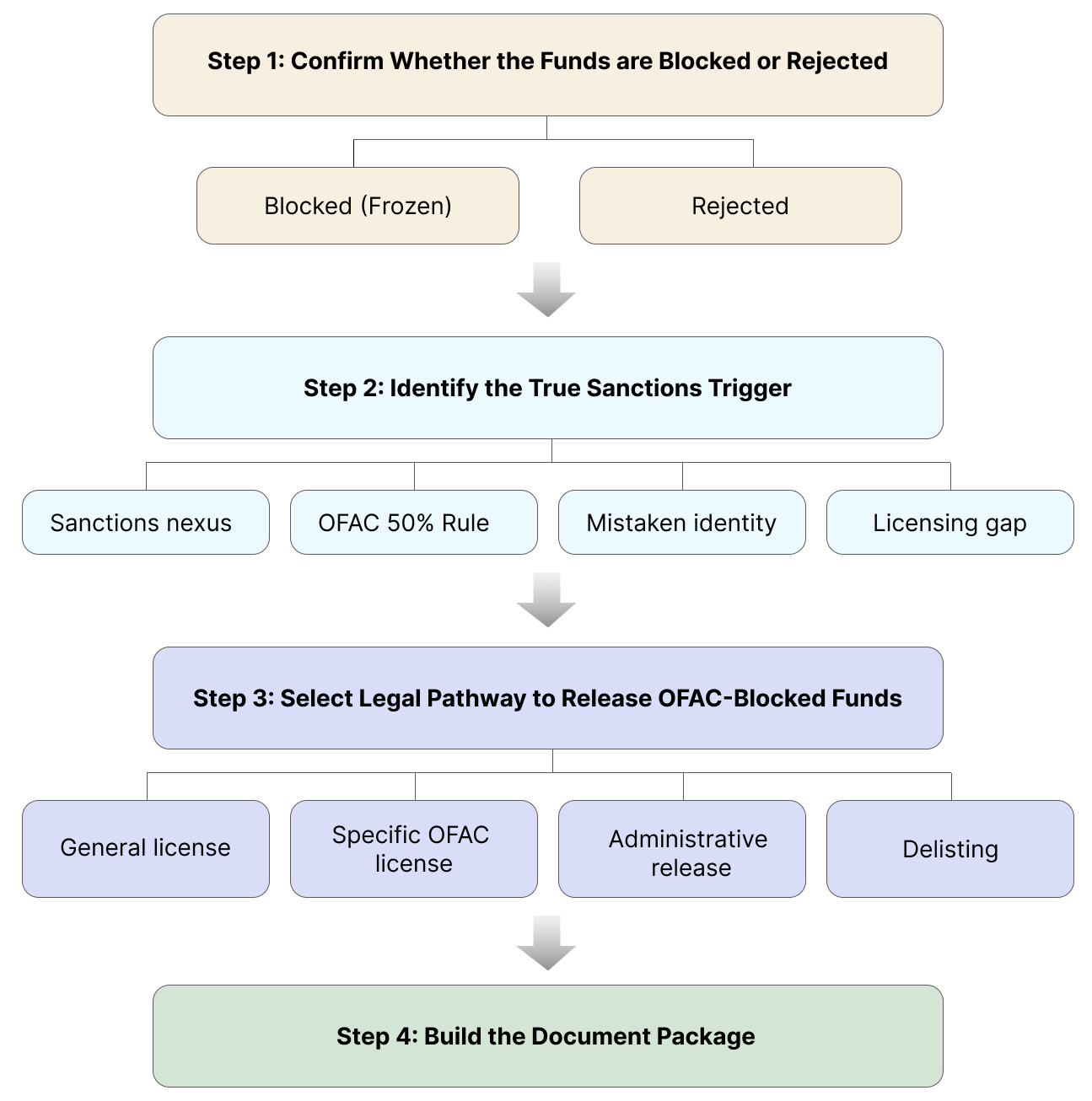
Blocked transactions refer to any transaction that is prohibited by OFAC sanctions. When the U.S. government designates individuals, entities, or countries as a threat, financial institutions and businesses must refrain from conducting any transactions with them. This includes freezing assets and prohibiting all financial dealings. A transaction can be considered “blocked” if it is initiated with a sanctioned party and must be reported to OFAC.
Categories of Sanctions
OFAC sanctions fall into several categories, affecting different groups of targets. These categories include:
- Comprehensive Sanctions: These are broad sanctions against entire countries and prohibit almost all transactions. Examples include sanctions against North Korea and Iran.
- Targeted Sanctions: These focus on specific individuals or entities, often related to terrorism or drug trafficking. Businesses must identify and block transactions involving these parties.
- Sectoral Sanctions: These restrict certain sectors of a country’s economy, such as energy or finance, while still permitting some transactions to continue.
The Compliance Burden for Businesses
For businesses operating globally, navigating OFAC regulations is critical. Non-compliance can result in significant penalties, including substantial fines and criminal charges. Companies must implement rigorous compliance programs that include:
- Conducting thorough due diligence on customers and partners.
- Regularly screening transactions against OFAC’s Specially Designated Nationals and Blocked Persons (SDN) list.
- Training employees on OFAC regulations and the importance of compliance.
- Establishing clear reporting mechanisms for identifying potentially blocked transactions.
Consequences of Blocked Transactions
The implications of blocked transactions can be far-reaching. For businesses, blocking a transaction can mean:
- Lost revenue from unrecoverable sales.
- Disruption of supply chains and relationships with partners.
- Reputational damage, especially if non-compliance leads to public scrutiny.
- Legal repercussions, including investigations and penalties from regulatory bodies.
Examples of OFAC Blocked Transactions
Real-world cases help illustrate the complexities of OFAC blocked transactions. In 2019, several major banks faced hefty fines due to inadvertent transactions with sanctioned entities. Such situations arise from failure to adequately screen payment messages or not recognizing changes in a customer’s status related to OFAC sanctions.

ized/rev-273601a/federal-lawyer.com/wp-content/uploads/2020/07/nbc-news-logo.png” style=”max-width:100%; height:auto;” />